Kids Paradise – Buy Quality Toys, Educational Products & Safety Items for Children Online in Pakistan
Shopping for children's products shouldn't feel overwhelming. Whether you're a parent hunting for educational toys that actually engage your child, a family member searching for the perfect birthday gift, or a caregiver needing reliable safety accessories, finding quality items at fair prices matters.
Kids Paradise brings together carefully selected products designed to support your child's development, safety, and happiness. From interactive learning toys and creative DIY tools to outdoor play equipment and essential safety gear, every product serves a real purpose in your child's daily life. No gimmicks, no overpriced clutter—just practical items that Pakistani parents trust.
This category exists because raising children requires thoughtful choices. You need toys that withstand rough play, educational tools that spark genuine curiosity, and safety products that give you peace of mind. That's exactly what you'll find here, with prices that respect your family budget.
What Makes Kids Paradise Different from Regular Toy Stores
Walk into most toy shops in Pakistan, and you'll see shelves packed with flashy items that break within days. Kids Paradise takes a different approach.
Every product here passes a simple test: Would we buy this for our own children? This question guides our selection process. We focus on durability, educational value, and age-appropriate design—not just what looks good in pictures.
Here's what sets this collection apart:
Developmental Focus: Each item supports specific growth areas—fine motor skills, problem-solving, creativity, physical coordination, or social interaction. A 3D printing pen teaches spatial thinking. A board game builds strategic planning. Water guns encourage outdoor activity. These aren't random toys; they're tools for development.
Safety Standards: Products meet basic safety requirements suitable for children. Materials are non-toxic, edges are smooth, small parts are avoided in items for younger kids, and construction quality ensures pieces won't break off easily.
Real Play Value: The dancing cactus toy isn't just cute—it responds to sound, encouraging cause-and-effect learning. The LCD drawing tablet eliminates paper waste while letting kids express creativity endlessly. Every product offers extended play opportunities, not five minutes of entertainment.
Pakistani Context: We understand local needs. Summer gets hot—water guns provide cooling outdoor fun. Power cuts happen—rechargeable toys work independently. Space is limited—folding and compact designs make sense. Prices reflect what Pakistani families can actually afford.
Age Range Coverage: From toddler safety straps to creative tools for older children, the selection spans different developmental stages. Parents with multiple kids often find items for siblings across age groups.
Complete Product Categories Inside Kids Paradise
Interactive Learning Toys
These products combine fun with genuine educational value, making learning feel like play rather than forced study time.
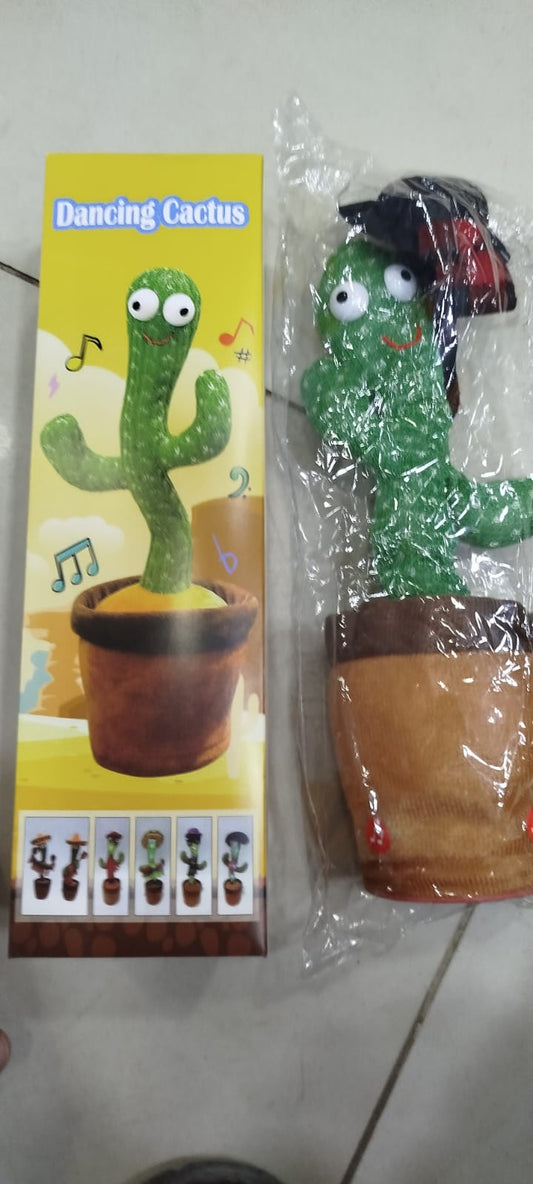
Dancing Cactus Toy: This rechargeable plush responds to voices and music, repeating sounds in amusing ways. Young children learn cause and effect—when they speak, the cactus reacts. It encourages verbal expression in toddlers while entertaining them for hours. The rechargeable battery means no constant battery replacements, saving money over time.
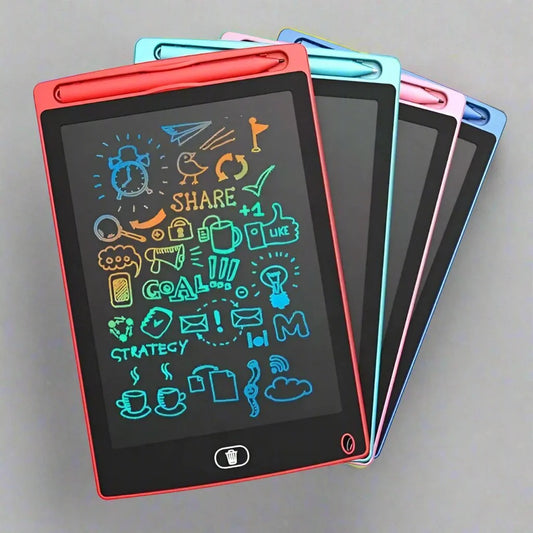
LCD Writing Tablet: A digital doodle board that erases with one button press. Children practice writing, drawing, and basic math without wasting paper. Perfect for long car rides, doctor's waiting rooms, or quiet indoor play. The pressure-sensitive screen responds naturally to stylus pressure, building proper writing grip and control.
3D Printing Pen: Older children (8+) explore three-dimensional creativity, drawing structures that harden into real objects. This USB-powered tool introduces basic engineering concepts, spatial reasoning, and artistic expression. Kids create jewelry, small toys, decorations, or solve problems by building custom pieces they need.
Outdoor & Physical Activity Products
Screen time concerns every parent. These items get kids moving, breathing fresh air, and developing physical coordination.
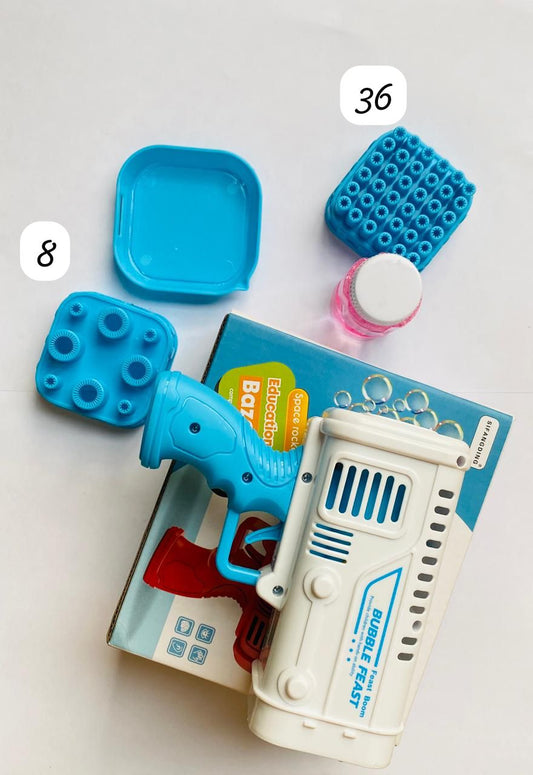
Bubble Water Gun: A 32-hole bubble machine that shoots streams of bubbles while kids run around. Combines water play with bubble fun, encouraging outdoor activity during hot Pakistani summers. Easy to refill, simple to operate, and creates hours of active entertainment.
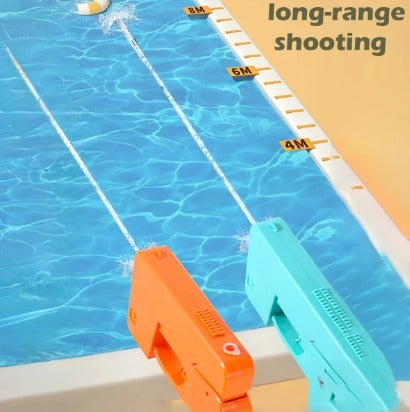
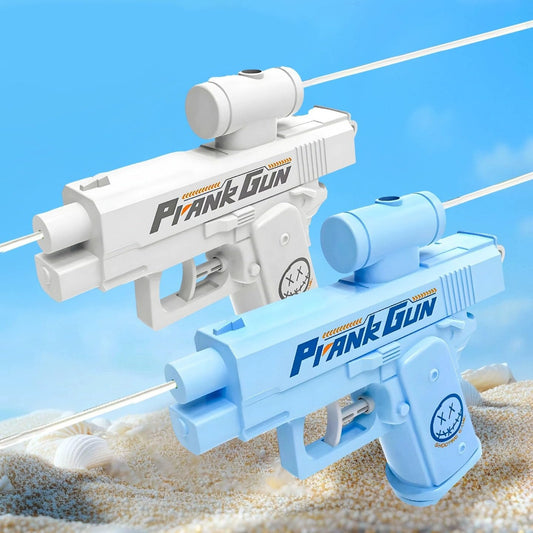
Folding iPhone Water Gun: A compact, foldable water shooter perfect for impromptu water battles. The unique phone-shaped design makes it easy for small hands to grip. Folds flat for storage or travel—throw it in a bag for trips to the park or family gatherings.
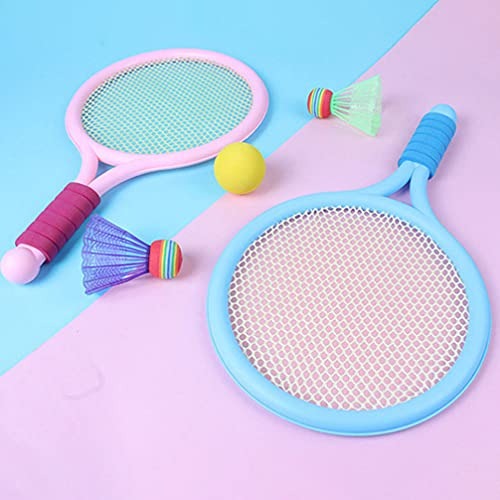
Kids Badminton & Tennis Racket Set: Lightweight rackets designed for children's strength and coordination levels. Introduces basic racquet sports, develops hand-eye coordination, and provides quality family bonding time. The set includes everything needed to start playing immediately.
Brain Development & Strategy Games
Games that challenge thinking skills without feeling like schoolwork.
4-in-Row Board Game: A classic strategy game teaching forward planning, pattern recognition, and competitive sportsmanship. Kids learn to think several moves ahead, anticipate opponent actions, and accept wins and losses gracefully. Simple enough for young children, engaging enough that parents enjoy playing too.
Safety & Practical Products
Items that solve real parenting challenges and enhance child safety.
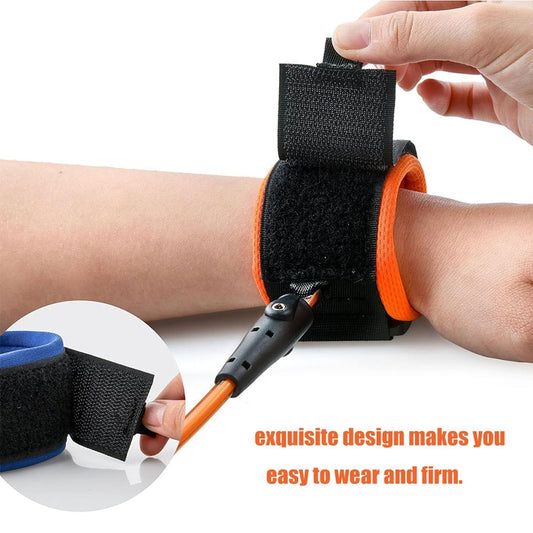
Baby Safety Wrist Strap: An anti-lost wrist link connecting parent and child in crowded markets, busy streets, or shopping centers. The adjustable strap fits toddlers through early elementary ages. Gives children freedom to explore while maintaining physical connection, reducing the constant "hold my hand" battles.
2-Piece Kids Winter Bear Caps: Fleece-lined winter hats keeping little heads warm during cold Pakistani winter months, especially in northern regions. The bear ear design appeals to children who resist wearing necessary winter gear. Includes a scarf option for complete neck and head protection.
Creative & Artistic Tools
Products supporting artistic expression and creative thinking.
Beyond the LCD tablet and 3D pen mentioned earlier, these tools let children create, experiment, and develop their unique artistic voices. Creative play builds confidence, improves fine motor control, and gives kids healthy emotional outlets.
How to Choose the Right Products for Your Child
Buying children's products requires more thought than grabbing whatever looks appealing. Here's how to make smart choices that your child will actually use.
Match Products to Developmental Stage
A three-year-old and an eight-year-old have completely different needs. Consider:
Toddlers (1-3 years): Focus on cause-and-effect toys, sensory experiences, and safety items. The dancing cactus works well here—it responds to their actions clearly and immediately. Safety wrist straps become essential as they start walking independently.
Preschoolers (3-5 years): Look for items building basic skills—coordination, color recognition, simple problem-solving. Bubble guns, drawing tablets, and basic board games match this stage. They're developing independence but still need straightforward, frustration-free toys.
Early Elementary (5-8 years): Strategy games, creative tools, and active outdoor equipment fit perfectly. They can handle more complex instructions, follow game rules, and enjoy competitive play. The 4-in-Row game or racket sets work well.
Older Children (8+ years): Creative tools like 3D pens, advanced building projects, and skill-based activities hold their attention. They're ready for products teaching real-world skills beyond basic play.
Consider Your Child's Personality
Every child is different. Knowing your child's interests prevents wasted purchases.
Active Kids: They won't sit still for quiet activities. Water guns, sports equipment, and outdoor toys channel their energy productively. Forcing a highly active child to enjoy a board game leads to frustration.
Creative Thinkers: Art supplies, building tools, and open-ended toys let them express ideas. The 3D pen or drawing tablet becomes their favorite possession. They need materials, not structured games.
Social Butterflies: Multi-player games, group activities, and toys they can share with friends work best. Board games, outdoor sports sets, and interactive toys they can enjoy with siblings thrive with these children.
Quiet Observers: They prefer solo activities and detailed projects. Individual creative tools, puzzles, and toys they can master independently suit them better than group games.
Think About Longevity
Children outgrow toys fast. Smart parents consider how long a product remains useful.
Adjustable Items: The safety wrist strap adjusts as your child grows, working for several years instead of one season.
Open-Ended Toys: LCD tablets never get "completed"—kids use them differently as they grow. A 3D pen serves a five-year-old differently than a ten-year-old, but both find value.
Classic Games: Board games and sports equipment don't become outdated. The 4-in-Row game is as engaging now as it was decades ago.
Growing Complexity: Some toys offer simple play initially but reveal deeper possibilities as children mature. Look for this quality.
Evaluate True Educational Value
"Educational" appears on every toy package now. Real learning products share specific characteristics:
Active Engagement: The child does something, not just watches. Passive toys teach nothing.
Clear Skill Development: You can identify what the toy teaches—hand-eye coordination, color mixing, basic physics, strategic thinking.
Progressive Challenge: Good educational toys grow with the child, offering new challenges as skills develop.
Intrinsic Motivation: The child wants to play because it's genuinely enjoyable, not because adults force it.
Check Quality Markers
Pakistan's market includes excellent products and absolute junk. Here's how to tell the difference before buying:
Material Quality: Check product descriptions for material information. Quality plastic feels sturdy, not flimsy. Fabric toys use tight stitching and durable materials.
Rechargeable vs. Battery: Rechargeable products cost more upfront but save money and hassle long-term. No more last-minute battery runs.
Design Practicality: Does it store easily? Clean simply? Fold or collapse? These details matter more than you'd think.
Safety Features: Rounded edges, non-toxic materials, secure construction—these aren't optional for children's products.
Common Mistakes Pakistani Parents Make When Buying Kids Products
Learn from others' experiences to avoid these frequent purchasing errors.
Buying Based on Discounts Alone
A 70% discount means nothing if your child never uses the product. Cheap toys that break immediately waste money regardless of the initial price. Focus on value—will your child actually play with this for months, or will it sit forgotten in a corner?
Ignoring Age Recommendations
Parents often buy products their child will "grow into," but kids need age-appropriate items now. A complex toy meant for an eight-year-old frustrates a five-year-old, who then rejects it permanently. By the time they're old enough, they've already decided they don't like it.
The opposite happens too—buying "baby toys" for older children because they're "safer" or "simpler." This underestimates your child's abilities and insults their growing maturity.
Choosing Quantity Over Quality
Five cheap toys that break within a week teach your child nothing and create clutter. One quality toy that lasts for years provides genuine value. Children actually prefer having fewer, better toys than rooms full of junk.
Following Trends Blindly
Just because every child in the neighborhood has something doesn't mean your child needs it. Assess whether the trending toy matches your child's interests and developmental needs. Often, classic toys provide more long-term engagement than viral fads.
Neglecting Safety for Older Kids
Parents vigilantly check safety for toddlers but get careless with older children. School-age kids still need proper safety features, especially in outdoor and sports equipment. The assumption that "they're old enough to be careful" leads to preventable injuries.
Skipping Multi-Use Potential
The best children's products serve multiple purposes or entertain multiple kids simultaneously. An item only one child can use at specific times has limited value. Look for products that work across age ranges or accommodate group play.
Why Quality Kids Products Matter More Than You Think
You might wonder whether investing in good children's products actually makes a difference. Research and parental experience show it absolutely does.
Developmental Impact
The first eight years of life build neural pathways determining future learning capacity. Quality toys supporting this development aren't luxuries—they're investments in your child's cognitive growth.
When a child manipulates a 3D pen, they're not just playing. They're developing spatial reasoning, fine motor control, problem-solving skills, and creative confidence. These skills transfer to academics, future careers, and daily life competence.
Cheap, simplistic toys require no thought. Children press a button, lights flash, sounds play. They're passive consumers, not active learners. Quality educational toys demand engagement, encouraging the deep play that builds intelligence.
Safety and Health
Low-quality products pose real risks. Toxic materials in cheap toys cause health issues. Poorly constructed items break into sharp pieces or small choking hazards. The money you "save" on cheap products costs far more in potential medical emergencies.
Quality outdoor toys encourage physical activity combating childhood obesity and screen addiction. Water guns get kids running. Sports sets build coordination and cardiovascular health. These products create healthy habits lasting a lifetime.
Emotional Security
Children form attachments to quality toys that become companions through different life stages. A well-made stuffed toy or beloved game provides emotional comfort during difficult times. These objects matter psychologically, offering stability and familiarity.
Safety products like wrist straps give parents peace of mind, which children sense. When parents feel secure, children feel secure. This emotional foundation matters tremendously for healthy development.
Environmental Consideration
One quality toy lasting five years creates less waste than twenty cheap toys breaking within months. Teaching children to value durable, well-made items builds environmental awareness and reduces consumption culture's negative impacts.
Financial Wisdom
Initially, quality products cost more. Over time, they're cheaper. Buying one rechargeable dancing cactus beats purchasing three battery-powered toys that quickly break. The cost-per-use calculation always favors quality over cheap quantity.
How These Products Solve Real Pakistani Parenting Challenges
Understanding local contexts helps parents see how specific products address everyday problems.
The Indoor Entertainment Dilemma
Pakistani summers hit extreme temperatures, making outdoor play dangerous during midday hours. The LCD drawing tablet, dancing cactus, and board games provide quality indoor entertainment without screens. Kids stay engaged while avoiding heat exhaustion.
The Space Problem
Many Pakistani homes lack dedicated playrooms or large storage areas. Folding water guns, compact tablets, and collapsible toys make sense for these realities. Parents can store these items easily without sacrificing living space to toy chaos.
The Safety Concern in Crowded Places
Pakistani markets, bazaars, and public spaces get extremely crowded. A toddler can disappear in seconds. The safety wrist strap solves this terrifying problem simply and effectively. Parents shop or navigate crowds without constant panic about losing their child.
The Budget Balance
Middle-class Pakistani families want quality for their children but face budget constraints. Products in this collection hit the sweet spot—good enough to last and work properly, affordable enough for regular family budgets. Not the cheapest available, not luxury prices, but genuine value.
The Educational Gap
School systems don't always provide hands-on learning opportunities. Parents supplement education at home. Creative and strategic toys fill this gap, teaching skills formal education sometimes misses—spatial reasoning, creative problem-solving, strategic thinking, and independent learning.
The Sibling Share Factor
Most Pakistani families have multiple children. Durable toys that work across age ranges let siblings share, reducing per-child costs. Board games, sports sets, and creative tools entertain kids at different developmental stages simultaneously.
Practical Tips for Maximizing Value from Kids Products
Getting the most from children's products requires some strategic thinking.
Rotate Toys Regularly: Don't keep everything accessible always. Store some items away and rotate them every few weeks. This makes "old" toys feel new again, extending their entertainment life significantly.
Create Play Stations: Designate specific areas for specific activities—a creative corner with art supplies, an outdoor bin with active toys, a game shelf with board games. This organization helps children focus and makes cleanup simpler.
Involve Kids in Care: Teach children to care for their belongings. Even young kids can learn to wipe down a drawing tablet or store game pieces properly. This builds responsibility and makes products last longer.
Multi-Use Thinking: Encourage creative use beyond the obvious. A 3D pen can create practical items like phone stands or drawer organizers, not just toys. Board games teach math concepts. Sports equipment works for gym class practice.
Supervise Initially: Especially with creative or complex toys, spend time showing children proper use. This prevents damage from misuse and helps kids unlock the product's full potential.
Weather Protection: Store outdoor toys indoors when not in use. Pakistani weather can be harsh—sun fades colors, moisture causes rust or mold. A few seconds of storage effort adds months to product lifespan.
Battery Management: For rechargeable items, charge them regularly even when not actively in use. This maintains battery health and ensures toys are ready when kids want them.
Safety Checks: Periodically inspect toys for damage—loose parts, cracks, worn areas. Catching problems early prevents injuries and extends usability through simple repairs.